
Written by ASR Group Ltd | Published on July 2025
CCTV drain inspection and drain camera inspection refer to similar technology, but they are not always the same service. A CCTV inspection typically involves a full recorded video report with defect logging, while a basic drain camera scope is often a quick visual check without formal documentation.
This article explains the difference between the two methods, what each involves, typical costs in Auckland, and which option suits your situation. Whether you are in Remuera, Papakura, or Whangaparaoa, understanding the distinction can save you time and money.
Understand what CCTV drain inspection actually means
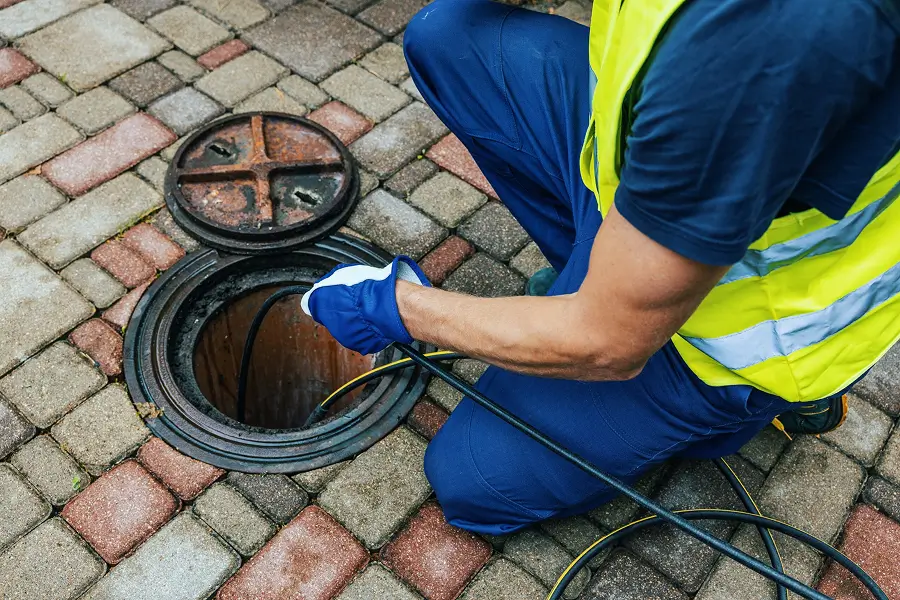
A CCTV drain inspection uses a motorised camera mounted on a flexible rod or crawler unit. The camera feeds live footage to a screen above ground. The operator records the full footage and produces a written or digital report documenting what was found.
Reports typically include timestamped screenshots, defect codes based on the WSA05 or similar standards, pipe material, diameter, and condition grades. This level of documentation is what separates a formal CCTV inspection from a basic camera scope.
CCTV inspections are used for:
- Pre-purchase property inspections in areas like Howick, Botany, and Pakuranga
- Council compliance checks and consent applications
- Insurance claim evidence
- Asset management reporting for commercial properties
- Post-repair verification to confirm work was completed correctly
The formal reporting process makes CCTV inspection the standard for any situation where you need documented proof of pipe condition. ASR Group Ltd provides full CCTV inspection reports across Auckland for both residential and commercial clients.
Understand what a drain camera scope involves
A drain camera scope, sometimes called a drain snake camera or push camera inspection, is a simpler process. A handheld or push-rod camera is inserted into the drain. The operator views the footage live on a portable screen.
There may be no formal report produced. The tradesperson tells you what they saw, and in some cases they may save a short video clip. This approach is faster and less expensive than a full CCTV inspection.
A basic drain camera scope works well when:
- You have a blockage and need to locate it quickly
- A plumber wants to confirm a pipe is clear after jetting
- You are doing a quick check on a visible short run of pipe
- The drainage issue is straightforward and does not need documentation
For most urgent blockage jobs in areas like Mangere, Otahuhu, or Manurewa, a drain camera scope is enough to diagnose the problem and get the job done. However, it does not give you the documented proof that a CCTV inspection provides.
Compare CCTV drain inspection vs drain camera side by side
The table below gives a direct comparison of the two methods so you can see the differences clearly.
| Feature | CCTV Drain Inspection | Basic Drain Camera Scope |
|---|---|---|
| Equipment type | Motorised crawler or push-rod with recording unit | Handheld or push-rod camera, portable screen |
| Footage recorded | Yes, full video saved | Sometimes, often just live view |
| Written report | Yes, with defect codes and screenshots | No, usually verbal only |
| Defect coding | Yes, based on industry standards | No |
| Typical use case | Pre-purchase, compliance, insurance | Blockage location, quick check |
| Approximate Auckland cost | $300 to $700+ | $150 to $350 |
| Turnaround time for report | Same day to 48 hours | Immediate verbal feedback |
Costs vary depending on pipe length, access difficulty, and the number of entry points required. Properties in areas like Titirangi or Kumeu with older or longer drain runs may cost more to inspect than a standard suburban section in Glen Innes or Glenfield.
Know when to choose CCTV inspection over a basic camera scope
Choosing between the two comes down to your situation. If you need documentation, choose a full CCTV inspection. If you just need a quick answer about a blockage, a camera scope is usually enough.
Here are situations where a full CCTV inspection is the right call:
- Buying a property in Auckland, especially older homes in Avondale, Mount Roskill, or New Lynn where clay or concrete pipes are common
- Applying for resource consent or building consent involving drainage works
- Making an insurance claim for subsidence or water damage
- Investigating repeated blockages that suggest a structural defect
- Verifying a drain repair or relining job was completed correctly
- Commercial asset management where landlords need condition records
Auckland Council and Watercare have specific requirements for drainage works. A formal CCTV report with defect coding is often required before they will accept new connections or sign off on repairs. A verbal report from a camera scope will not meet those standards.
Review typical costs for each method in Auckland
Pricing in Auckland varies between providers, but the table below gives realistic ranges based on typical residential and commercial jobs.
| Service | Typical Cost Range (Auckland) | What is Included |
|---|---|---|
| Basic drain camera scope (residential) | $150 to $300 | Live view, verbal feedback, sometimes short clip |
| CCTV drain inspection (residential) | $300 to $500 | Recorded footage, defect report, screenshots |
| CCTV inspection (commercial or long runs) | $500 to $1,200+ | Full report, multiple entry points, defect coding |
| Pre-purchase drain inspection | $350 to $600 | Report suitable for property purchase decisions |
| CCTV with high-pressure jetting combo | $450 to $900 | Clear blockage plus post-jet condition check |
These are guide prices only. Properties in Silverdale, Orewa, or Whangaparaoa with longer drain runs or limited access may attract higher costs. ASR Group Ltd can provide a fixed quote before any work begins.
Identify common drain problems found in Auckland properties
Auckland’s drainage infrastructure spans everything from brand-new pipes in Pukekohe subdivisions to 80-year-old clay pipes under villas in Remuera and Takapuna. The problems found differ depending on the age and type of property.
Common defects discovered during CCTV inspections in Auckland include:
- Root intrusion, especially in older suburbs like Henderson, Waitakere, and North Shore where mature trees are common
- Cracked or collapsed clay pipes in pre-1970s homes
- Offset joints caused by ground movement, common in areas with volcanic soils like Penrose and East Tamaki
- Fat and grease buildups in kitchen drain lines
- Deformed or bellied pipe sections that allow debris to pool
- Illegal stormwater connections to the wastewater network
A basic camera scope can spot some of these issues, but a formal CCTV inspection with defect coding gives you a clear picture of severity and urgency. This is critical if you are deciding whether to reline, repair, or replace a drain.
ASR Group Ltd has worked on drain inspections across Manukau, Papakura, and Pakuranga and regularly finds issues that owners were completely unaware of before inspection.
FAQs on CCTV drain inspection vs drain camera
Is a CCTV drain inspection the same as a drain camera inspection?
They use similar technology but are not the same service. A CCTV inspection includes recorded footage and a formal written report with defect coding. A basic drain camera scope is usually a live visual check with no formal documentation.
Do I need a CCTV report to buy a house in Auckland?
It is not legally required, but it is strongly recommended. A formal CCTV drain inspection report gives you evidence of pipe condition before you commit to a purchase. This is especially important for older properties in suburbs like Avondale, Glen Innes, and Mount Roskill.
How long does a CCTV drain inspection take?
Most residential inspections take between 1 and 2 hours on site. The written report is usually ready within 24 to 48 hours. Commercial or larger properties with multiple drain runs may take longer.
Can a drain camera find tree roots in pipes?
Yes. Both a CCTV inspection and a basic camera scope can identify root intrusion. However, a CCTV report will document the severity, location, and extent of the roots with footage and screenshots, which is more useful for planning repairs.
Will a CCTV inspection work on old clay pipes?
Yes. CCTV cameras are designed to work in clay, concrete, PVC, and cast iron pipes. Clay pipes are common in older Auckland suburbs and are often the ones most in need of inspection due to joint gaps, cracks, and root entry points.
How do I know if I need a full CCTV report or just a camera scope?
If you need documentation for a property purchase, insurance, or council consent, choose a full CCTV inspection. If you just have a blocked drain that needs clearing, a basic camera scope is usually sufficient and more cost-effective.
Wrap up and next steps
The core difference between a CCTV drain inspection and a basic drain camera scope is documentation. A CCTV inspection gives you a recorded report with defect coding, while a camera scope gives you a quick live view with verbal feedback only.
For property purchases, insurance claims, council consents, or any situation where you need written proof, always choose a full CCTV inspection. For a quick blockage check, a camera scope is usually enough.
If you are in Auckland and need either service, contact ASR Group Ltd today on 0224294971. We cover all Auckland suburbs including Remuera, Papakura, Howick, Takapuna, Henderson, and beyond. Call us to book an inspection or request a quote.